Seborrhoeic Keratoses Treatment in Reading
Expert seborrhoeic keratosis treatment in Reading. Consultant dermatologists offer safe removal and diagnosis of age-related skin growths.
Introduction to Seborrhoeic Keratoses
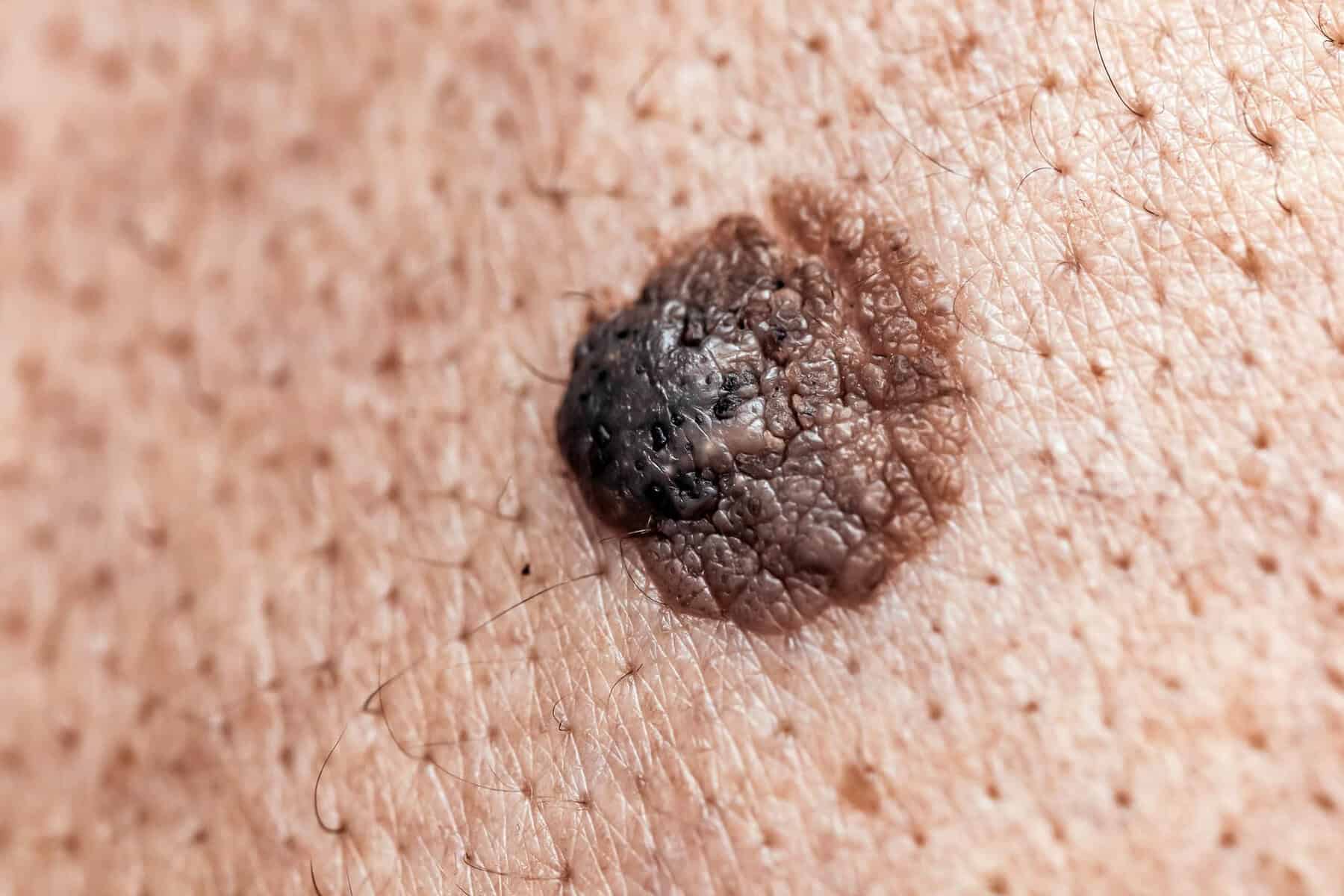
Seborrhoeic keratoses, also known as seborrhoeic warts or age spots, are common, non-cancerous skin growths. They often appear as raised, waxy or rough patches that range in colour from pale brown to almost black. These harmless lesions tend to develop with age and can appear anywhere on the body, most often on the face, back, chest or shoulders. Although they are not dangerous, some people seek treatment if seborrhoeic keratoses catch on clothing, become irritated or affect confidence.
The Forbury Clinic’s consultant dermatologists provide safe, effective seborrhoeic keratosis treatment using clinically proven methods. We offer precise diagnosis, gentle removal and professional reassurance so you can feel confident about your skin’s health and appearance.

Common Symptoms of Seborrhoeic Keratoses
Waxy or Rough Surface
Seborrhoeic keratoses often feel slightly rough or crumbly and may have a waxy appearance. They can look as if they are “stuck on” to the surface of the skin.
Colour Variation
Lesions range in colour from light tan to deep brown or black. Many people notice multiple patches of varying shades on their torso or face.
Harmless but Sometimes Itchy
Although benign, seborrhoeic keratoses can itch or become irritated by friction or clothing. They may scab or bleed slightly if scratched.
Slow Growth Over Time
Seborrhoeic keratoses usually develop gradually and may become more textured or raised with age. They are not contagious or linked to sun exposure.
How Our Dermatologists Can Help
Expert Skin Assessment and Diagnosis
Our consultant dermatologists examine each lesion carefully to confirm it is a benign seborrhoeic keratosis rather than another skin condition. Dermatoscopic imaging may be used to distinguish it from moles or skin cancers for complete reassurance.
Effective and Comfortable Removal
Treatment options include cryotherapy (freezing), curettage (gentle scraping) or electrocautery (heat treatment). All procedures are performed under local anaesthetic if needed and are quick, safe and suitable for most skin types.
Aftercare and Skin Health Advice
Once treated, most lesions heal within a few days to weeks. We provide clear aftercare instructions, including wound care, sun protection and prevention tips to keep your skin healthy and clear.
Initial Consultation
Your appointment begins with a discussion of your concerns and a close skin examination to confirm diagnosis. The dermatologist explains whether removal is recommended and which method is most suitable for your skin.
Diagnostic Investigation
In rare cases, if a lesion looks unusual or has changed rapidly, a biopsy may be arranged before removal. This quick, simple test confirms that the growth is benign.
Treatment & Aftercare
The removal procedure is usually carried out on the same day. Your dermatologist applies a local anaesthetic for comfort, performs the chosen treatment and covers the area with a small dressing. You’ll be provided with detailed aftercare guidance to support healing and minimise any scarring.
Seborrhoeic Keratosis Treatment FAQs
- What causes seborrhoeic keratoses?
They are thought to result from natural skin ageing and genetic factors. The condition is not caused by infection or sunlight and is not contagious.
- Are seborrhoeic keratoses dangerous?
No. These growths are completely benign and do not turn into skin cancer. However, new or changing lesions should always be checked by a dermatologist.
- How are seborrhoeic keratoses treated?
Treatment options include cryotherapy, curettage or electrocautery to remove the lesion quickly and safely. Your dermatologist will advise on the best method for your skin and cosmetic goals.
- Will the seborrhoeic keratosis come back after removal?
Once removed, seborrhoeic keratoses do not usually regrow. However, new lesions can appear over time in other areas of the skin.
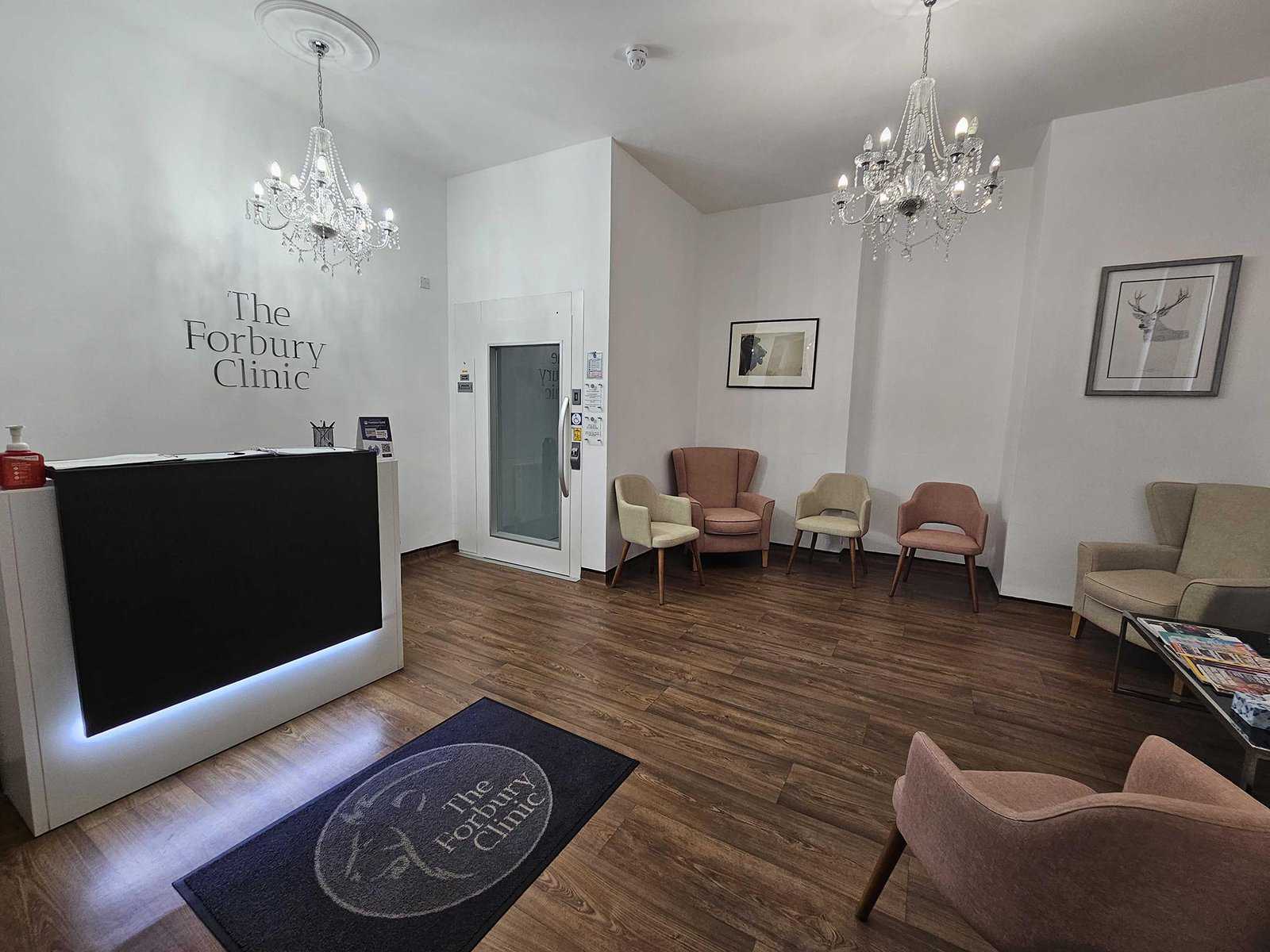
Why Choose The Forbury Clinic?
The Forbury Clinic’s consultant dermatologists are highly experienced in diagnosing and treating seborrhoeic keratoses with precision and care. We combine medical expertise with attention to cosmetic detail, ensuring safe, effective removal and clear, healthy-looking skin.