Alopecia Treatment in Reading
Expert alopecia treatment in Reading. Consultant dermatologists provide diagnosis and personalised care for hair loss in men and women.
Introduction to Alopecia
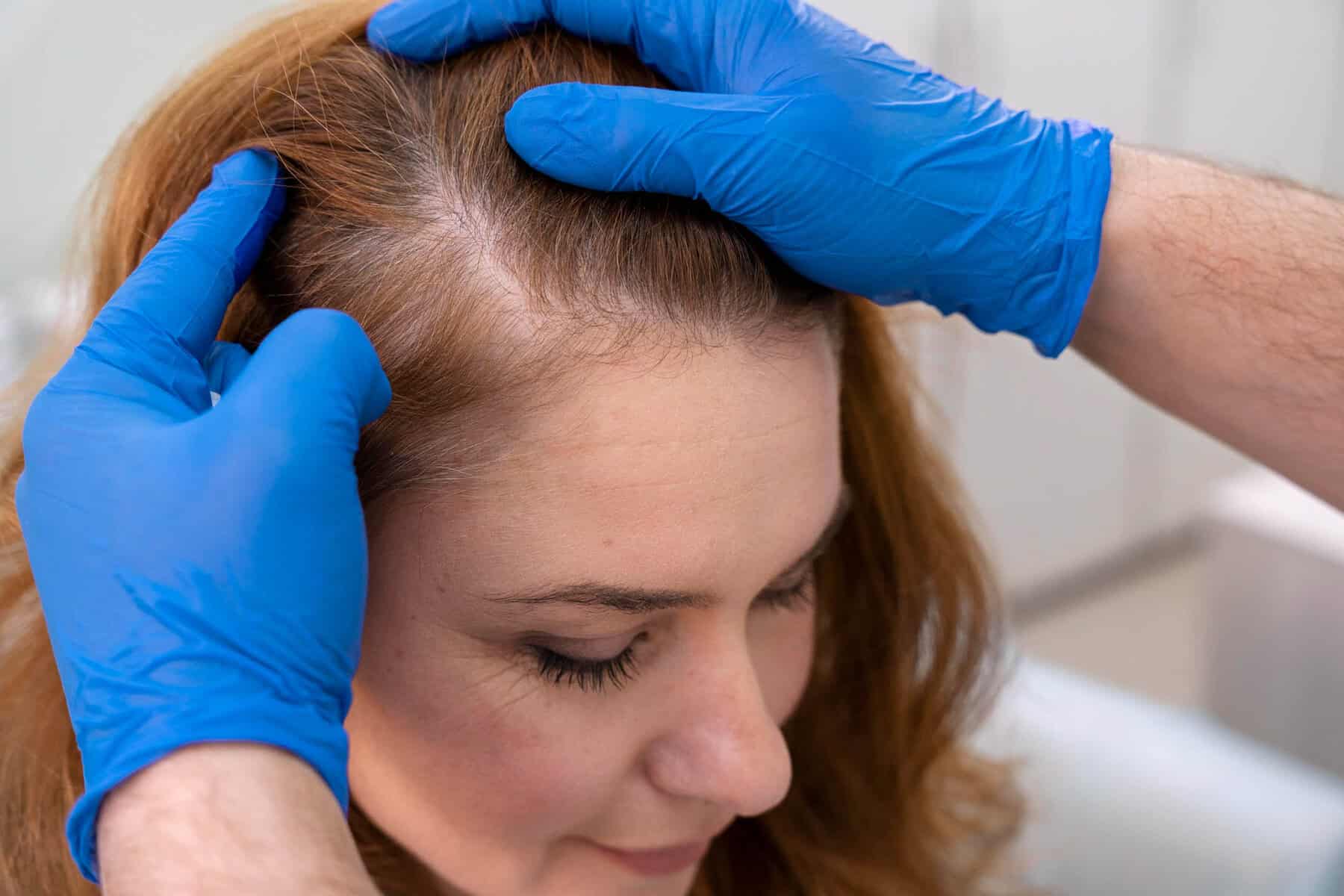
Alopecia refers to hair loss that can occur anywhere on the scalp or body. It may develop gradually or suddenly and range from small bald patches to more widespread thinning. There are several types of alopecia, including alopecia areata (patchy hair loss), androgenetic alopecia (male or female pattern baldness) and scarring alopecia. The condition can affect anyone at any age and often has a significant emotional impact.
The Forbury Clinic’s consultant dermatologists provide expert alopecia treatment tailored to the underlying cause and the individual needs of each patient. Our approach focuses on accurate diagnosis, personalised medical or procedural treatment and professional support to restore confidence alongside hair health.


Common Symptoms of Alopecia
Patchy Hair Loss
Small, round or oval bald patches may develop on the scalp, beard or body. In alopecia areata, patches can merge or appear in different locations over time.
Gradual Thinning
Pattern hair loss often presents as diffuse thinning around the crown or a receding hairline. Women may notice a widening part or reduced hair volume over the top of the scalp.
Scalp Sensitivity or Itching
Some types of alopecia cause mild itching, soreness or sensitivity on the scalp. These signs can be associated with inflammation or scarring.
Nail or Skin Changes
In some autoimmune forms such as alopecia areata, patients may notice nail pitting or changes in texture. Dermatologists can link these subtle clues to diagnosis.
How Our Dermatologists Can Help
Accurate Diagnosis and Assessment
Our dermatologists carry out detailed scalp examination, dermatoscopy and, where needed, blood tests or biopsy to determine the precise cause of hair loss. Understanding the type and cause of alopecia is vital for successful treatment.
Personalised Medical Treatment
We develop personalised treatment plans that may include topical or oral medication, corticosteroid injections, or targeted therapies to stimulate hair regrowth. For non‑scarring alopecia, early treatment improves outcomes significantly.
Ongoing Care and Support
Alopecia can be emotionally challenging, which is why we provide ongoing follow‑up, progress tracking and supportive advice. Our dermatologists work with you to manage expectations and promote long‑term scalp and hair health.
What to Expect During Your Dermatology Appointment
Initial Consultation
Your dermatologist will discuss the history of your hair loss, associated health issues and any products or treatments you’ve tried. A careful scalp and hair assessment is then performed to understand the cause and pattern.
Diagnostic Investigation
If needed, investigations may include blood tests to check for hormonal, autoimmune or nutritional factors, or a small scalp biopsy. These tests confirm the diagnosis and help determine the most effective course of treatment.
Treatment & Aftercare
A personalised treatment plan is created, focusing on regrowth and scalp health. Your dermatologist will discuss realistic timelines and provide ongoing aftercare, including scalp‑care advice, nutrition guidance and follow‑up appointments.

Alopecia Treatment FAQs
- What causes alopecia?
Alopecia can result from genetic, hormonal, autoimmune or inflammatory causes. Stress, illness or nutritional deficiencies may also contribute to hair loss.
- Can alopecia be cured?
Some forms, like alopecia areata or pattern hair loss, can be effectively managed but not always permanently cured. Early diagnosis and targeted treatment can slow loss and encourage regrowth.
- What treatments are available for alopecia?
Treatment may include topical minoxidil, corticosteroid injections, oral medication or light therapy depending on the type of hair loss. Dermatologists tailor each plan to the individual’s cause and goals.
- When should I see a dermatologist for hair loss?
You should seek assessment if hair loss occurs suddenly, develops patchily or is associated with scalp discomfort. Early medical evaluation improves the likelihood of regrowth.
Why Choose The Forbury Clinic?
Our consultant dermatologists are specialists in diagnosing and treating all types of alopecia. Combining advanced diagnostic tools with evidence‑based therapies, we provide sensitive and effective care focused on restoring hair confidence and long‑term scalp health.